


SURPRISE DELIVERY BY PHONE NUMBER
If you want to make a pleasant surprise and do not know the exact address of the recipient, in this case, our team will independently clarify with the recipient a convenient place and time of delivery.
ACCEPT PAYMENT IN UAH, EURO, PAYPAL, USDT (Crypto)
We use classic online payment methods to the company's bank account. For your convenience, we also accept payments in cryptocurrencies, as well as in Ukrainian hryvnias and euros without any fees to the sole proprietorship account.
DELIVERY REPORT
As soon as our couriers deliver the flowers and place them in the recipient's hands, we will notify you right away.

How to Choose a Vase for Your Bouquet: A Symphony of Form, Function, and Beauty
Aesthetics: The vase is an extension of the bouquet. It can complement its style (from rustic to minimalist), emphasize the color scheme, or become a vibrant accent in your interior. Compositional Support: The shape and size of the vase influence how the flowers will hold their form. The right vase helps maintain the bouquet's structure, preventing it from splaying out or, conversely, being overly constricted. Flower Longevity: The vase's volume, neck opening, and material affect the availability of water and air for the stems. A suitable vase ensures optimal hydration for your blooms.
Height: A general rule of thumb is that the vase's height should be approximately half to two-thirds of the bouquet's overall height. If the vase is too short, long stems will look disproportionate, and flowers may lean. A vase that's too tall will obscure part of the flowers, making the bouquet "drown" within it. For flowers with long stems (roses, lilies, gladioli), a tall vase with a cylindrical or conical shape is ideal. Neck Diameter: The vase's opening should be wide enough not to compress the stems, but not so large that the bouquet falls apart. Lush, voluminous bouquets with many flowers require a vase with a wider neck. For a few individual blooms or small bouquets, vases with a narrow neck are suitable. Shape: Cylindrical Vases: Versatile, suitable for most bouquets, especially long-stemmed flowers. Conical/Flared Vases: Excellent for holding voluminous bouquets, allowing flowers to "open up" beautifully. Spherical/Bulbous Vases: Ideal for round-shaped bouquets, such as peonies or hydrangeas, as well as for small, dense arrangements. Vial/Bottle Vases: Perfect for a single flower or minimalist compositions. Rectangular/Square Vases: Fit well into modern interiors, suitable for strict, geometric bouquets or linear arrangements.
Glass Vases: The most popular and versatile. Transparent glass allows you to see the water level and its clarity, which is important for flowers. They easily blend into any interior with flowers and don't distract from the bouquet. Available in various thicknesses, from delicate to crystal. Ceramic Vases: Add warmth and coziness. Can be glossy, matte, patterned, or plain. They are opaque, which nicely hides stems but requires regular checking of the water level. A ceramic vase is ideal for bouquets in rustic, Provence, or ethnic styles. Metal Vases (copper, brass, stainless steel): Modern and stylish. Add a touch of shine or industrial chic to the interior. Often used for minimalist or avant-garde compositions. Also opaque. Wooden Vases: Less common, but offer a natural, eco-friendly look. Often used for dried flowers or bouquets with a distinct natural character. Require special treatment for use with water. Plastic Vases: Lightweight, inexpensive, practical for transport or children's rooms. Usually used as a temporary solution.
Minimalism: Simple forms, neutral colors (white, gray, black, clear). Classic: Elegant shapes, possibly with subtle decor, crystal or high-quality glass vases. Provence/Rustic: Ceramic vases with pastel shades, rough textures, perhaps with light decoration or patterns. Modern/High-tech: Metal, glass, or ceramic vases in unusual, geometric shapes, often monochromatic. Boho/Ethnic: Vases made from natural materials (clay, wood), with vibrant patterns or handcrafted details.
Transparent Vases: Universal, suitable for all flowers, and don't distract attention. Neutral Colors (white, beige, gray): Create a calm background, allowing the flowers to be the main focus. Bright Colors: Can be an accent in the interior or create contrast with the bouquet, highlighting certain flower shades. It's important that the vase's color doesn't "overshadow" the beauty of the flowers themselves.
For large, lush bouquets (peonies, hydrangeas): Choose vases with a wide neck, preferably spherical or cylindrical of medium height. They allow the flowers to "breathe" freely and open up effectively. For long-stemmed roses: A tall vase with a cylindrical or slightly flared top is ideal. It's crucial that the stems are submerged in water at least 2/3 of their length. For tulips: Tulips continue to grow in water, so it's best to choose a vase that supports their stems, otherwise, they might droop. A tall, not-too-wide glass vase is an excellent option. For wildflowers or small, delicate bouquets: Small ceramic vases with a narrow neck or simple glass vial vases are perfectly suited. For a single flower: An elegant bottle vase or a narrow mini-vase. For short-stemmed bouquets (e.g., some chrysanthemum varieties): Low, wide vases, possibly even flat or bowl-shaped, would be appropriate.
Cleanliness: The vase must be perfectly clean, free from remnants of old bouquets or soapy residue. Bacteria in a dirty vase are the main enemy of flower freshness. Water: Regularly change the water (daily or every other day) and re-cut the flower stems at an angle. Add special nutrient packets for cut flowers, as offered by Florista. Placement: Position the vase with flowers away from direct sunlight, heaters, and drafts.

Flower Allergies: When Beauty Comes with a SneezeFor many, flowers are a universal symbol of joy, love, and beauty, capable of brightening any space and uplifting spirits. However, for millions worldw..

The Bride's Bouquet: A Floral Masterpiece Reflecting Your Wedding StyleThe wedding day is a tapestry woven with dreams, emotions, and countless carefully chosen details. Among these, the bride's ..

World's Famous Florists: The Visionaries Shaping Floral FashionFloristry is far more than simply arranging flowers; it is a genuine art form demanding talent, vision, and a profound understanding of n..

The History of Flowers: An Enduring Tapestry of Culture, Emotion, and BeautyFlowers are more than just botanical wonders; they are silent chroniclers of human history, vessels of deep symbolism, and p..

How to Choose a Vase for Your Bouquet: A Symphony of Form, Function, and BeautyA bouquet of flowers is always a delightful gift or a wonderful way to brighten an interior. But for it to look truly spe..

Flowers for Teachers: Expressing Gratitude and Respect Through a Thoughtful BouquetA gift for a teacher or professor is more than just a polite gesture; it's a profound way to convey appreciation for ..

How to Choose the Perfect Bouquet for Any Occasion: A Complete GuideThe act of giving flowers is a timeless gesture, a beautiful way to express emotions and create lasting memories. Yet, many wonder:&..

How to Order Flowers Online: Your Step-by-Step Guide for First-TimersThe world is constantly evolving, and digital technologies are deeply embedded in our daily lives, making everything more convenien..

How to Properly Wrap a Bouquet: From Artistry to PracticalityA bouquet of flowers is more than just an assembly of beautiful plants; it's a work of art, a message, an emotion. To ensure this message r..

Master Class by Florista: Crafting an Exquisite Bouquet in a Box or BasketFloral arrangements in boxes and baskets are more than just a gift; they are true works of art, combining elegance, practicali..

Men's Bouquets: Breaking Stereotypes and Delivering Genuine EmotionsFor centuries, flowers have predominantly been seen as a gift for women. A persistent stereotype suggests that a men's bouquet&..

Gifts to Accompany a Bouquet: When Flowers Speak, and Surprises Amplify the MessageA bouquet of flowers is always a beautiful gesture, conveying tenderness, beauty, and sincere feelings. It can expres..

Beyond Beauty: Scientific Proof Why Flowers Are the Ultimate GiftAt first glance, flowers might seem like nothing more than nature's fleeting beauty, pleasing to the eye. However, beneath this obvious..

Rare and Exotic Flowers: The Art of Astonishing and CaptivatingIn a world where traditional bouquets of roses and tulips have become commonplace, the desire for uniqueness and sophistication is growin..

Seasonal Flowers: Nature's Symphony in Every BouquetIn the world of flowers, there’s a special magic – the magic of seasonality. Each period of the year gifts us a unique palette of aromas, shapes, an..

Secrets to Freshness: How to Care for Cut Flowers and Extend Your Bouquet's LifeReceiving a magnificent bouquet is always a source of joy and aesthetic pleasure. The vibrant colors and delicate fragra..

The Symbolism of Color in a Bouquet: When Flowers Speak Louder Than WordsA bouquet of flowers is far more than just a beautiful gift. It's an elegant way to express emotions, convey a message, show re..

Introduction: Communicating Beyond Words – The Allure of FloriographyFor centuries, long before modern communication, humanity found a profound way to express the inexpressible: through flowers. This ..

Top 10 Most Popular Flowers for Gifts: A Choice That Always Wins HeartsFlowers are a timeless expression of beauty, emotion, and thoughtful gestures. They possess a unique ability to convey joy, love,..

How to Create the Perfect Floral Composition with Your Own Hands: Unleash Your Inner FloristFlowers have an unparalleled ability to brighten spaces, uplift spirits, and convey heartfelt messages. Whil..

Flower Photoshoot: Transforming a Moment into Eternity in a FrameFlowers are more than just a gift from nature; they are a universal symbol of beauty, tenderness, passion, and joy. They can add a spec..

Potted Plants vs. Cut Flowers: Unpacking the Ideal Floral Gift ChoiceChoosing flowers as a gift is always a delightful, yet sometimes challenging, decision. On one hand, the vibrant beauty and immedia..

Flowers for Corporate Clients: An Elegant Bridge to Strong Business RelationshipsIn the corporate world, every detail matters. From the choice of a meeting venue to the design of a business card, ever..

Flowers for Mom: A Silent Message from the Heart, Speaking VolumesMom is the cornerstone of our lives, an endless source of unconditional love, unwavering support, and boundless care. In moments when ..

Flowers for Newborns and New Mothers: A Symbol of New Life and Boundless LoveThe arrival of a baby is one of the most joyous and eagerly anticipated events in any family's life. It's a moment brimming..

Office Plants: Where Greenery Meets Peak PerformanceA modern office is far more than just a collection of desks and computers. It's a dynamic environment where countless hours are spent, ideas are bor..

Flowers for a First Date: The Art of First ImpressionsA first date is always an exciting moment, filled with hopes and expectations. Everyone strives to make the best possible impression, and here, sm..

Flowers for Anniversaries: Magnificence and Grandeur in Every PetalAn anniversary is a truly special occasion, marking a significant milestone in a person's life, an organization's journey, or the tap..

Flowers in Interior Design: The Living Charm for Your HomeFlowers are far more than just a gift or a pleasant accessory. They are living elements capable of completely transforming the atmosphere of a..

Graduation Flowers: A Symbol of New Beginnings and Cherished MemoriesGraduation day is one of the most vibrant and touching events in any young person's life. It marks the culmination of a long educat..

Birthday Flowers: The Art of Choosing the Perfect BouquetA birthday is a special occasion, filled with joy, greetings, and of course, gifts. And there's nothing more universal yet personal than a bouq..

Flowers by Zodiac Sign: Unlocking the Secrets of a Perfectly Matched Floral GiftChoosing a gift is always an endeavor to please, surprise, and show sincere appreciation. What could be more personal an..

Eco-Floristry: Harmonizing Beauty with Planetary ResponsibilityIn today's world, where environmental concerns are more pressing than ever, an increasing number of people are striving for conscious con..
Our reviews

Prague, Czech Republic - Assorted bouquet of flowers
Доброго дня.Велике спасибі! Замовляла на День Народження дочці букет. Дитина була щасливою:) ...
Віка Донкова 06/05/2024
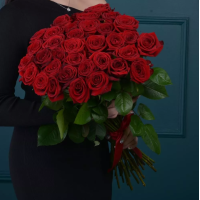

A bouquet of bright colors Dance
Florista доставили шикарный букет в Дрезден (Германия). Хотел извиниться перед девушкой, и скажу честно — букет сделал за меня половину работы. Она растаяла от счастья, и теперь я точно знаю: цветы могут говорить громче слов. ...
Иван 02/09/2025

Bouquet of mixed roses Pastel Dreams
Прекрасный опыт с Florista! Заказывал букет для подруги в Торонто, Канада. Цветы были доставлены вовремя, свежие и очень красивые. Она была в полном восторге! Спасибо за вашу отличную работу и возможность дарить радость тем, кто далеко. Очень надежный сервис. ...
Иван 22/10/2025
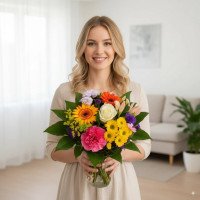
Bouquet Laura
5 із 5 дуже швидка доставка ввічливий персонал, гарні квіти і гарний настрій в дівчини всім рекомендую ...
Сергій 10/08/2024
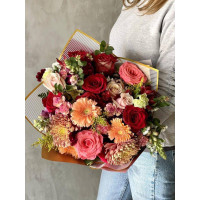
Rhodes, Greece - Assorted bouquet of flowers
Огромное спасибо за прекрасную доставку на Родос! Букет получился просто волшебный — свежие, яркие цветы, собранные с душой. Всё доставили точно по времени, несмотря на то, что это остров. Получатель был искренне тронут. Очень приятно, что можно так легко подарить радость на расстоянии. Вы — настоящие профессионалы! ...
Максим 08/07/2025
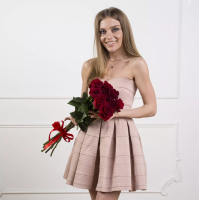
9 red roses
Дуже-дуже гарні квіти! Дякую за хвилі радості, які можна подарувати завдяки вам! Най Всесвіт допомагає у праці❤️ і дарує чарівні миті для вас також❤️ ...
Маргарита 05/10/2023
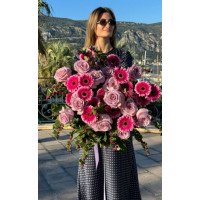
Nice, Cote d'Azur - Assorted Bouquet of Flowers
Доставка в Ниццу (Франция) превзошла ожидания. Цветы были такими ароматными, что весь дом наполнился запахом. Florista умеет создавать настроение, и это именно то, что отличает их от других сервисов. ...
Елена 03/09/2025

Flowers in Bad Frankenhausen: Bringing Floral Beauty to the Heart of ThuringiaBad Frankenhausen-Kyffhäuser, a historic town renowned for its leaning church tower, the Kyffhäuser Monument, and its ther..

Flowers in Bad Fallingbostel: Bringing Nature's Beauty to Your DoorstepBad Fallingbostel, a charming spa town nestled in the heart of the Lüneburg Heath, is renowned for its natural beauty, tranquil a..

Flowers in Bad Ems: Elegance and Fragrance in the Heart of a Spa TownBad Ems, a renowned spa town nestled in Germany's picturesque Lahn Valley, is celebrated for its healing springs, majestic architec..

Flower Shop in Bad Elster: A Symphony of Blooms in the Heart of the Spa TownBad Elster, a jewel of Saxony, is renowned for its mineral springs, opulent sanatoriums, and captivating architecture. In th..

Flowers in Bad Dürrheim: Elevating Moments with Natural BeautyBad Dürrheim, a distinguished spa town nestled in the heart of Germany's Black Forest, is renowned for its healing salt springs, pristine ..

Flowers in Bad Dürrenberg: A Touch of Nature's Beauty in Saxony-AnhaltBad Dürrenberg, a charming spa town renowned for its impressive graduation tower and saline springs, offers a tranquil escape amid..

Flowers in Bad Dürkheim: The Essence of Elegance from the Heart of PfalzBad Dürkheim, a captivating town renowned for its vineyards, thermal springs, and vibrant festivals, embodies the charm of the G..

Flowers in Bad Düben: Bringing Nature's Beauty to Your DoorstepBad Düben, a charming spa town in Germany, is renowned for its tranquil atmosphere, picturesque landscapes, and healing springs. In such ..

Flowers in Bad Driburg: Where Elegance Meets Nature's BeautyBad Driburg, a picturesque spa town in Germany, is renowned for its healing springs, the magnificent Gräflicher Park, and charming half-timb..

Flowers in Bad Colberg-Heldburg: Nature's Beauty in the Heart of ThuringiaBad Colberg-Heldburg is a charming German town, a true gem of Thuringia, renowned for its picturesque landscapes, historic Hel..

Flowers in Bad Camberg: A Touch of Nature's Beauty in a Historic TownBad Camberg, a charming health resort town in Germany, is renowned for its thermal springs, picturesque half-timbered houses, and s..

Flowers in Bad Buchau: A Bloom of Beauty in Upper SwabiaBad Buchau, a picturesque spa town in the heart of Upper Swabia, Germany, is renowned for its therapeutic thermal baths, the enchanting Federsee..

Flowers in Bad Brückenau: Nature's Elegance for Every MomentBad Brückenau, a serene spa town nestled in the heart of Bavaria, is renowned for its healing springs, lush parks, and a peaceful atmosphere..

Flowers in Bad Breisig: Blooming Beauty in the Heart of the Rhine ValleyBad Breisig, a charming spa town nestled along the majestic Rhine River, is renowned for its healing thermal springs, historic s..

Flowers in Bad Bramstedt: Bringing Nature's Beauty to Schleswig-HolsteinBad Bramstedt, a serene spa town nestled in the picturesque region of Schleswig-Holstein, Germany, is renowned for its healing s..

Flowers in Bad Blankenburg: A Touch of Nature's Beauty in ThuringiaBad Blankenburg, a picturesque town nestled in the heart of Thuringia, Germany, is renowned for its idyllic landscapes, historic char..

Flowers in Bad Bibra: Embracing Nature's Beauty in a Historic SettingBad Bibra, a charming spa town in Saxony-Anhalt, Germany, is renowned for its tranquil environment, mineral springs, and picturesqu..

Flowers in Bad Bevensen: Nature's Charm in Lower Saxony's Spa TownBad Bevensen, a renowned spa town in Lower Saxony, Germany, is celebrated for its healing thermal springs, lush green landscapes, and ..

Flowers in Bad Berneck im Fichtelgebirge: Embracing Nature's SplendorBad Berneck im Fichtelgebirge, a charming spa town nestled in the heart of the Fichtelgebirge mountains in Germany, is renowned for..

Flowers in Bad Berleburg: Nature's Beauty Delivered to Your DoorBad Berleburg, a charming spa town nestled in the heart of Germany's picturesque Sauerland region, is renowned for its stunning natural ..

Flowers in Bad Berka: A Touch of Nature's Beauty in ThuringiaBad Berka, a charming spa town nestled in the picturesque landscape of Thuringia, Germany, is renowned for its healing springs, lush forest..

Flowers in Bad Bergzabern: Nature's Elegance Meets German PrecisionBad Bergzabern, a charming spa town nestled in the heart of the German Wine Route (Weinstraße), is renowned for its thermal springs, ..

Flowers in Bad Bentheim: A Touch of Nature's Beauty in a Historic SettingBad Bentheim, a spa town renowned for its majestic castle, picturesque landscapes, and therapeutic springs, offers a unique ble..

Flowers in Bad Belzig: Bringing Natural Beauty to Your DoorstepBad Belzig, with its historic castle perched atop a hill and its reputation as a health resort town in Brandenburg, offers a tranquil and..

Flowers in Bad Arolsen: Elegance and Freshness for Every OccasionBad Arolsen, a picturesque spa town in the heart of Hesse, Germany, is renowned for its magnificent Baroque castle, stately avenues, an..

Flowers in Bad Aibling: Elevating Moments with Floral BeautyBad Aibling, Germany's charming first Bavarian mud and mineral spa town, is renowned for its healing waters, stunning Alpine backdrop, and s..

Flowers in Backnang: A Symphony of Blooms in the Heart of SwabiaBacknang, a charming town nestled in the picturesque Murr valley, captivates with its historic half-timbered houses, inviting alleys, an..

Flowers in Bacharach: Embodying the Romance of the Rhine ValleyBacharach, a captivating medieval town nestled on the banks of the majestic Rhine River, is renowned for its enchanting vineyards, histor..

Flowers in Babenhausen: Bringing German Elegance to Your Floral GiftsBabenhausen, a picturesque town in the heart of Hesse, Germany, captivates with its rich history, charming half-timbered houses, an..

Flowers in Aurich: Blooming Beauty in the Heart of East FrisiaAurich, a picturesque town in East Frisia, Germany, is renowned for its rich history, charming canals, and warm hospitality. What better w..

Flowers in Auma-Weidatal: The Art of German Floristry at Your FingertipsAuma-Weidatal, a serene and picturesque region in Thuringia, Germany, offers a tranquil escape amidst its rolling hills and char..

Flowers in Aulendorf: Capturing the Charm of Baden-WürttembergAulendorf, a delightful town nestled in the heart of Baden-Württemberg, Germany, is renowned for its thermal springs, majestic castle, and..

Flowers in Augustusburg: A Touch of Nature's Beauty in SaxonyAugustusburg, a town famed for its magnificent castle and the stunning natural beauty of the Ore Mountains in Saxony, offers a unique blend..

Flowers in Augsburg: A Bloom of History and BeautyAugsburg, one of Germany's oldest cities, is a vibrant tapestry woven with Roman history, Renaissance architecture, and Baroque splendor. From the Fug..

Flowers in Auerswalde: Your Gateway to Floral Beauty and German QualityAuerswalde, a tranquil and picturesque town in Saxony, Germany, embodies a blend of serene rural charm and traditional German eff..

Flowers in Auerbach in der Oberpfalz: Your Source for Floral ExcellenceAuerbach in der Oberpfalz is a captivating town in Bavaria, known for its picturesque landscapes, rich history, and welcoming atm..

Flowers in Auerbach: Blossoming Beauty for Every MomentAuerbach, a charming town nestled in the picturesque Vogtland region of Germany, is known for its serene landscapes, historic architecture, and w..

Flowers in Aue-Bad Schlema: A Touch of Nature's Beauty in the ErzgebirgeAue-Bad Schlema, a picturesque spa town nestled in the heart of the Erzgebirge (Ore Mountains) in Saxony, Germany, is renowned f..

Flowers in Aue: Embracing Nature's Beauty in SaxonyAue, a charming town in Saxony, Germany, is celebrated for its rich mining heritage, picturesque landscapes, and a welcoming community spirit. In thi..

Flowers in Aub: A Symphony of Nature's Beauty in BavariaAub, a charming town nestled in the heart of Bavaria, Germany, is renowned for its well-preserved medieval architecture, cobblestone streets, an..
Flowers in Attendorn: Blooming Beauty in the Heart of SauerlandAttendorn, a picturesque town nestled in the stunning Sauerland region of Germany, is renowned for its natural beauty, historic charm, an..

Flowers in Asperg: Where Natural Beauty Meets German PrecisionAsperg, a charming town in Germany's Baden-Württemberg region, is steeped in history, dominated by the majestic Hohenasperg fortress. In t..

Flowers in Aßlar: Bringing Nature's Beauty to Your DoorstepAßlar, a charming town nestled in the heart of Hesse, Germany, offers a blend of serene landscapes and a vibrant community spirit. In such a ..

Flowers in Aschersleben: Bringing Floral Beauty to Saxony-Anhalt's Oldest CityAschersleben, the oldest city in Saxony-Anhalt, captivates with its rich history, medieval charm, and welcoming atmosphere..

Flowers in Aschersleben: Where Tradition Meets Floral ArtistryAschersleben, the oldest town in Saxony-Anhalt, captivates visitors with its rich history, charming half-timbered houses, and picturesque ..

Flowers in Aschaffenburg: Your Destination for Floral ExcellenceAschaffenburg, a jewel on the Main River, captivates with its rich history, from the stunning Schloss Johannisburg to its charming old t..

Your Floral Oasis in Arzberg: Bringing Freshness and Beauty to Upper FranconiaArzberg, a charming town in Upper Franconia, Bavaria, renowned for its porcelain heritage and picturesque landscapes, prov..

Artern's Floral Haven: Where Every Bloom Tells a StoryArtern, a charming town in the heart of Thuringia, Germany, captivates with its serene landscapes, rich history, and welcoming atmosphere. Situate..

Flowers in Arras: Capturing the Essence of a Historic CityArras, a city renowned for its magnificent Grand'Place and Place des Héros, flanked by charming Flemish-style gabled houses, exudes a unique h..

Flowers in Arnstein: Bringing Nature's Beauty to Your DoorstepArnstein, a picturesque town in Bavaria, Germany, is renowned for its rich history, charming medieval architecture, and serene landscapes...